
(Untitled)
मौन और नियम-पालन का महत्त्व - साधना में कुछ नियम बनाए गए हैं, जिनका आपको पालन करना होगा। इन नियमों का पालन आपको डर के मारे नहीं, बल्कि अपने लाभ के लिए

मौन और नियम-पालन का महत्त्व - साधना में कुछ नियम बनाए गए हैं, जिनका आपको पालन करना होगा। इन नियमों का पालन आपको डर के मारे नहीं, बल्कि अपने लाभ के लिए

मेरे मन में एक अनजाना-सा डर होता था, मैं बहुत व्यग्र और चिन्तित रहता था। या तो भविष्य की चिंता का डर, मृत्यु का डर, किसी को खोने का डर, न जाने

आधुनिक युग की इस भागदौड़ और व्यस्त जीवनशैली में अध्यात्म के लिए समय निकालना कठिन होता जा रहा है। कभी-कभी अत्यधिक व्यस्तता के कारण पूरे दि

October: A Month of Devotion, Sadhana and Divine Grace Devotees of Shri Maharaj Ji walk the path of ananyata: exclusive devotion to Shri Krishna. Whatever form of God they worship, their prayer ultimately remains one: “May I receive Shri Krishna bhakti. May I develop selfless seva and attain His divine

आज प्रत्येक व्यक्ति एक हेल्दी लाइफस्टाइल जीना चाहता है, किन्तु वह जानता ही नहीं कि वास्तव में हेल्दी लाइफस्टाइल किसे कहते हैं? अक्सर लोग समझते
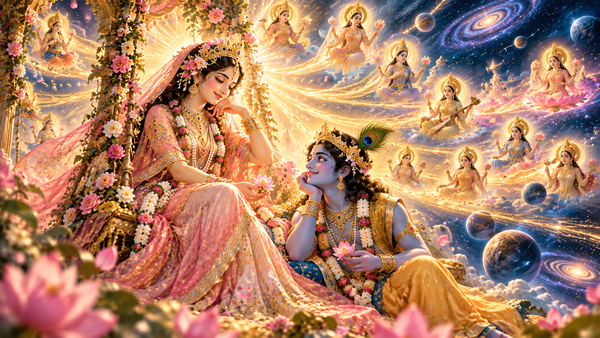
राधाष्टमी विशेष (राधा तत्त्व) श्री कृष्ण का स्मरण होते ही मानस पटल पर श्री राधा की छवि अनायास ही आ जाती है। दोनों का परस्पर ऐसा अभिन्न
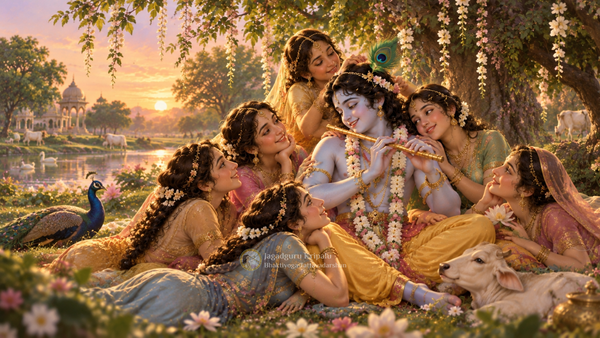
What is Braj Ras? The word ras literally means "taste" or "essence." In this context, it refers to the kind of pleasure or enjoyment one experiences. There are many levels of ras, beginning with the pleasures of the material world and progressing toward ever-higher forms
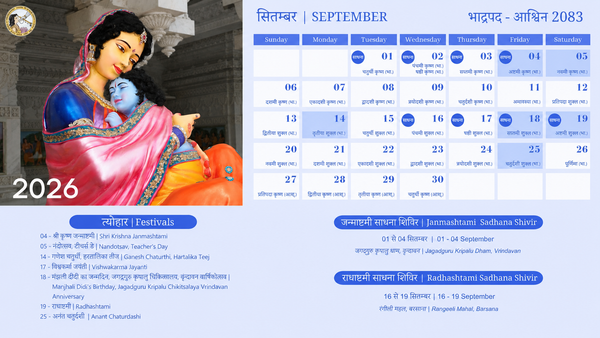
September: A Month of Divine Celebrations September brings a beautiful succession of festivals—each offering a different way to remember and celebrate the Divine. 🌸 Shri Krishna Janmashtami | 4 September The month begins with the most joyful celebration of all: the appearance of Shri Krishna. From midnight celebrations to kirtan and

Today is Independence Day. In reality, no one is truly independent. All souls wandering through the cycle of birth and death across countless universes are under the control of māyā - whether they are human beings, animals, birds, or any other form of life. Māyā makes the souls under her control

In general, we may worship Shri Krishna with any devotional sentiment (bhāv). However, from the standpoint of divine bliss, the rasik saints have described four primary devotional sentiments: 1. Dāsya bhāv - He is my Master, my Swami. It is a relationship of loving servitude and reverence, with a certain distance.

"One's love for happiness is eternal. Love for everything else in the world is temporary." Everyone in the world tells lies - white lies. People say, "I love my mother, father, wife, or husband," but this is not entirely true. A question naturally arises: if
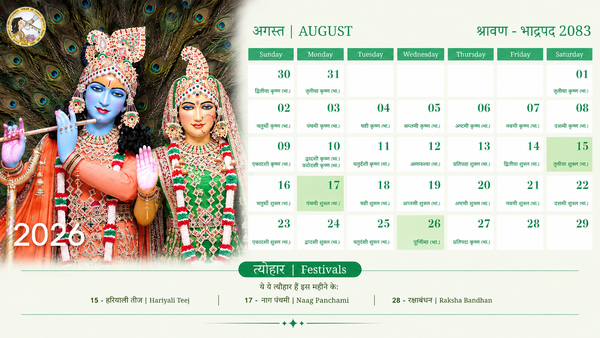
August 2026 – The Joyous Month of Divine Festivals August is filled with sacred festivals that inspire devotion, gratitude, and loving remembrance of God and the Guru. From the joyous celebrations of Hariyali Teej and Naag Panchami to the cherished festival of Raksha Bandhan, each occasion offers an opportunity to strengthen